How to Support Your Preschooler’s Energy and Development – Your Little Athlete
It’s Worth Starting Early – How to Shape Healthy Eating Habits in Children
The early years of a child’s life are incredibly important. This is when eating habits, a sense of fullness, and taste preferences begin to form — many of which stay with us for life. During this time, the body develops rapidly — both physically and emotionally — which is why a proper diet plays a crucial role in a child’s health and well-being.
Preschool – a place where good habits begin
In preschool age, children learn the foundations of a healthy lifestyle. In facilities such as bilingual, international KIDS&Co. preschools and nurseries, meals are served regularly with appropriate breaks between them, and children have unlimited access to water. They are also encouraged to taste a variety of flavors and textures, which supports their sensory development. All of this takes place in accordance with the Regulation of the Polish Minister of Health of July 26, 2016, which defines the rules of collective nutrition in preschools.
Have any questions?
Choose your preferred method of contact — we’ll get back to you!
The Healthy Plate – a simple way to plan balanced meals
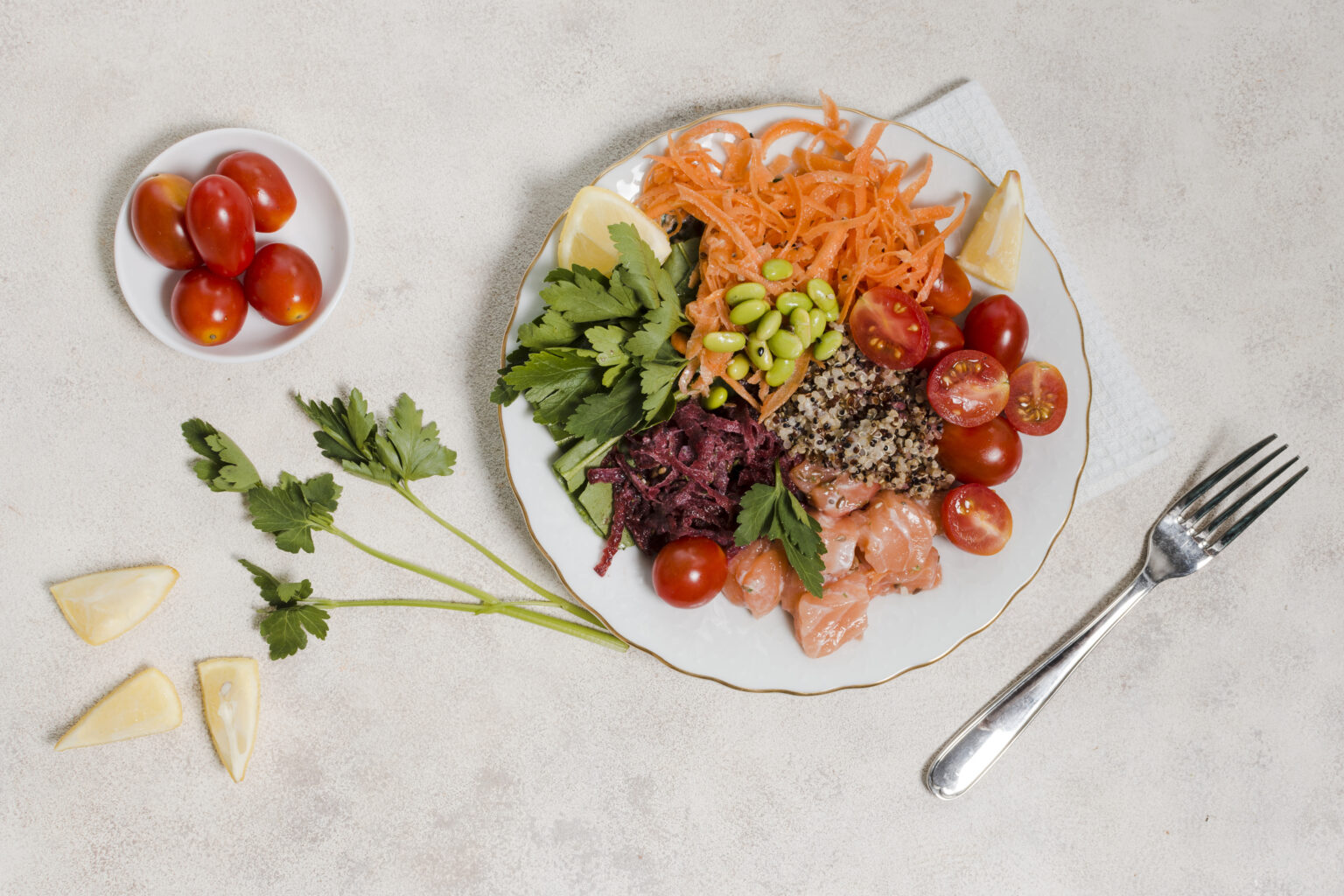
The “Healthy Plate” is a visual tool that helps plan meals in the right proportions. For preschoolers, it looks similar to that of adults, but it’s important to remember that children need relatively more calcium, iron, protein, and energy per kilogram of body weight.
- half of the plate should be vegetables and fruit,
- a quarter should be cereals (preferably wholegrain),
- and the remaining part should include protein sources: meat, fish, eggs, dairy, or legumes.
Let’s not forget about healthy fats — rapeseed oil, olive oil, or nuts — which support brain development and immunity.
How to encourage a child to try new foods?
Discovering new flavors requires time and patience. A child may initially refuse to try certain dishes — this is completely normal. However, it’s worth continuing to offer foods in different forms and involving the child in meal preparation. Children are more willing to taste dishes they helped create. 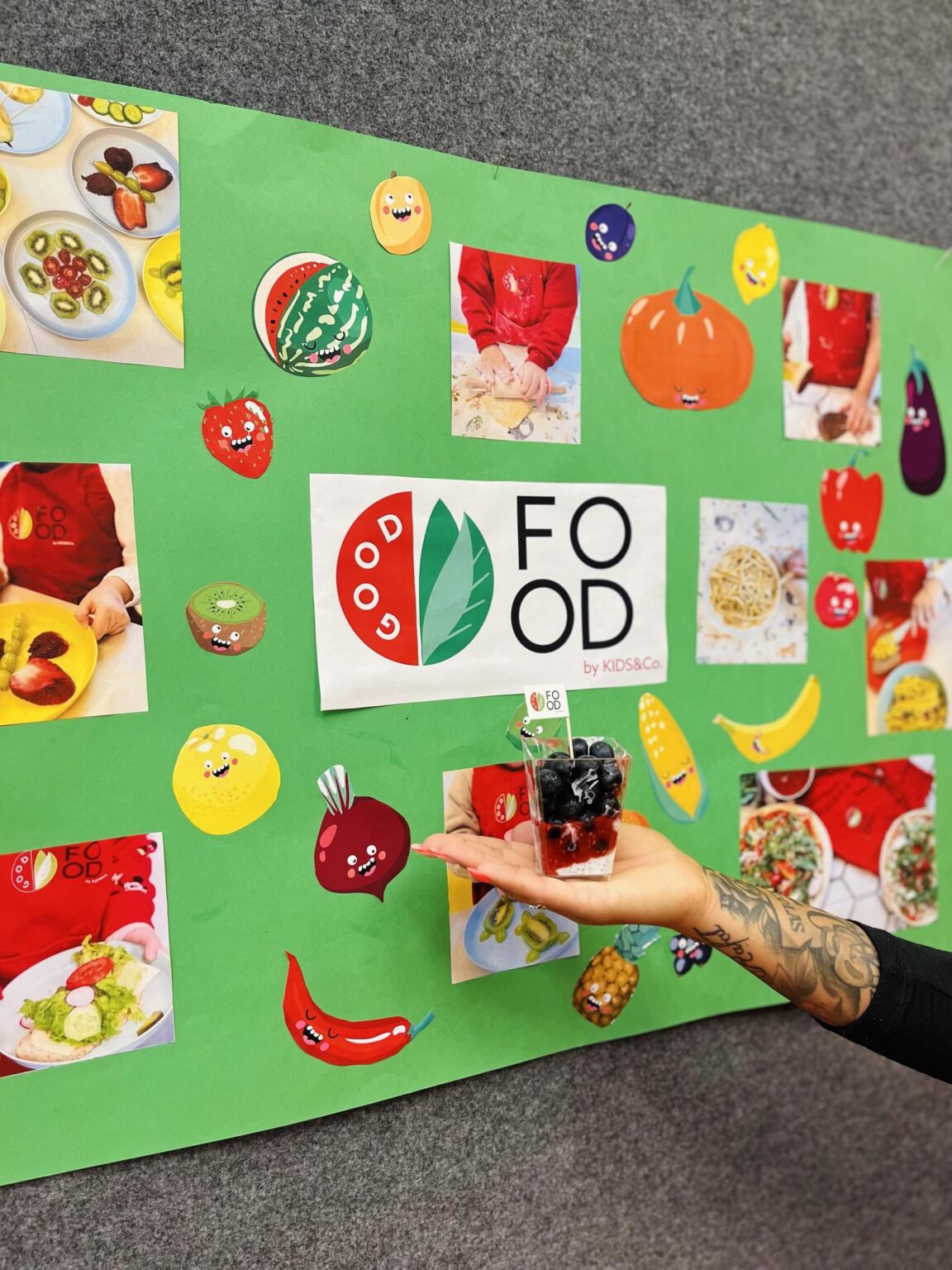
Vegetables, fruit, and grains – energy and immunity on the plate
Vegetables and fruit are rich in vitamins, minerals, and fiber, supporting the nervous system (e.g., B vitamins) and the immune system (vitamin C, zinc). They are also a natural source of carbohydrates and water — especially important in summer, when seasonal produce like tomatoes, cucumbers, watermelons, melons, and apples is widely available.
Grain products provide energy — wholegrain bread, groats, or brown rice are the best choices because they contain more fiber, magnesium, and calcium. Refined products such as white bread or fine groats can appear in a preschooler’s diet, but it’s worth pairing them with vegetables to make meals not only filling but also nutritionally balanced.
Protein, calcium, and iron – building blocks for a growing body
A child’s daily diet should include protein-rich foods that also supply vitamins A and D. Lean meat, fish (twice a week), eggs, dairy, and legumes provide essential building materials, vitamins, and minerals. At KIDS&Co. preschools, children receive a portion of fish at least once a week as part of their lunch.
Meat is best combined with vegetables and vitamin C–rich foods (raw vegetable salads, parsley, fresh citrus juice), which enhance iron absorption.
When choosing dairy, go for natural yogurts and kefirs without added sugar — sweet dairy desserts should remain an occasional treat.
A little athlete needs more energy
Preschool-aged children who attend regular sports activities such as gymnastics, dance, football, or swimming require more energy. Their diet should include more carbohydrates and protein to support post-exercise recovery.
Assuming children get around 1–2 hours of physical activity daily, their caloric needs may differ slightly:
- ages 3–4: girls approx. 1200–1400 kcal, boys approx. 1300–1500 kcal
- ages 5–6: girls approx. 1400–1600 kcal, boys approx. 1500–1700 kcal
Young athletes who train more frequently (3–5 times a week) may need even 10–20% more energy. In such cases, it’s worth adding a pre- or post-training snack, for example:
- before activity: a sandwich with cottage cheese and fruit purée, a banana, or a yogurt smoothie with oats,
- after activity: a plant-based drink (soy, oat, almond), milk with a banana, or yogurt with fruit and fine oats.
Nutrient requirements (according to NIZP-PZH 2024)
- Calcium: 800–1000 mg/day. Found in milk, tofu, kale, poppy seeds, almonds, and high-calcium mineral water.
- Protein: approx. 1.1 g per kilogram of body weight (40–50 g daily). Examples of protein-rich foods per serving: 1 egg – 7 g, 1 cup of milk – 8 g, 100 g of chicken – 20 g, 100 g of lentils – 9 g.
- Iron: meat, eggs, legumes, leafy greens, wholegrain cereals. Vitamin C supports proper absorption.
Sample daily meal plan for an active preschooler
A preschool child should eat 4–5 meals a day, every 3–4 hours.
Here is a sample meal plan for a young athlete:
- Breakfast: oatmeal cooked with milk or plant-based drink, served with banana and a spoon of peanut butter,
- Second breakfast: graham bread sandwich with boiled egg and tomato, water,
- Lunch: vegetable soup followed by rice with vegetables and roasted turkey (alternatively fish or tofu),
- Afternoon snack: natural yogurt with oats and fruit, topped with sunflower seeds,
- Dinner: semolina porridge cooked with milk or plant drink, or sandwiches with hummus and vegetables.
On training days, meals before and after activity should include more carbohydrates to rebuild energy and support muscle recovery. Extra fruit, a homemade smoothie, or a pasta addition to the main dish are good choices.
According to the Regulation of the Polish Minister of Health of July 26, 2016, preschool menus must be based on principles of healthy nutrition for children and adolescents. This includes:
- each meal must include a fruit or vegetable,
- each main dish must contain a grain product, with wholegrains being especially important,
- when potatoes are served as a main side dish, a grain product must appear in the soup,
- at least once every 5 days, children must receive a portion of fish,
- limiting salt and sugar, with unlimited access to water,
- using natural herbs and spices instead of mixes containing monosodium glutamate,
- limiting fried foods to twice a week,
- a ban on serving sweetened beverages, chips, sweets, and fast food.
At KIDS&Co. preschools and nurseries, we implement the GOOD FOOD program, which supports children’s nutrition education in practical and engaging ways. Little ones prepare simple dishes together, join cooking workshops, and learn how to make healthy choices. Through this, they discover that food can be not only tasty but also fun — and a meaningful part of spending time together.
Parents as role models
Parents are the most important example for a child. They show how to enjoy food and how to explore new flavors.
“Children don’t need a perfect diet — they need a daily routine of small, healthy choices.”
That’s why it’s important to remember that the most valuable elements aren’t only the right proportions on the plate, but also cooking together, experimenting in the kitchen, and talking about foods that give your child energy for playing football outside or fully engaging in preschool fun.
Based on an article prepared by Agnieszka Danielewicz, MSc, child and youth nutrition specialist.
Eligo Institute
Support areas: sports nutrition, overweight and obesity in children and adolescents, ARFID.
Learn more about the KIDS&Co. kindergarten and nursery program. Our facilities are located in the following cities:
- private preschools and nurseries in Warsaw
- private preschools and nurseries in Wrocław
- private preschools and nurseries in Gdańsk
- private preschool and nursery in Gdynia
- private preschools and nurseries in Łódź
- private preschools and nurseries in Kraków
- private preschools and nurseries in Katowice
- private preschools and nurseries in Poznań
- private preschools and nurseries in Suwałki
- private preschools and nurseries in Ostrów Mazowiecka
Let’s meet!
We invite all of you to an individual meeting with the headteacher. This will be a great opportunity to find out about our educational offer, ask questions, and visit the kindergarten. You can book one visit for a given day.