Planetary Health Diet
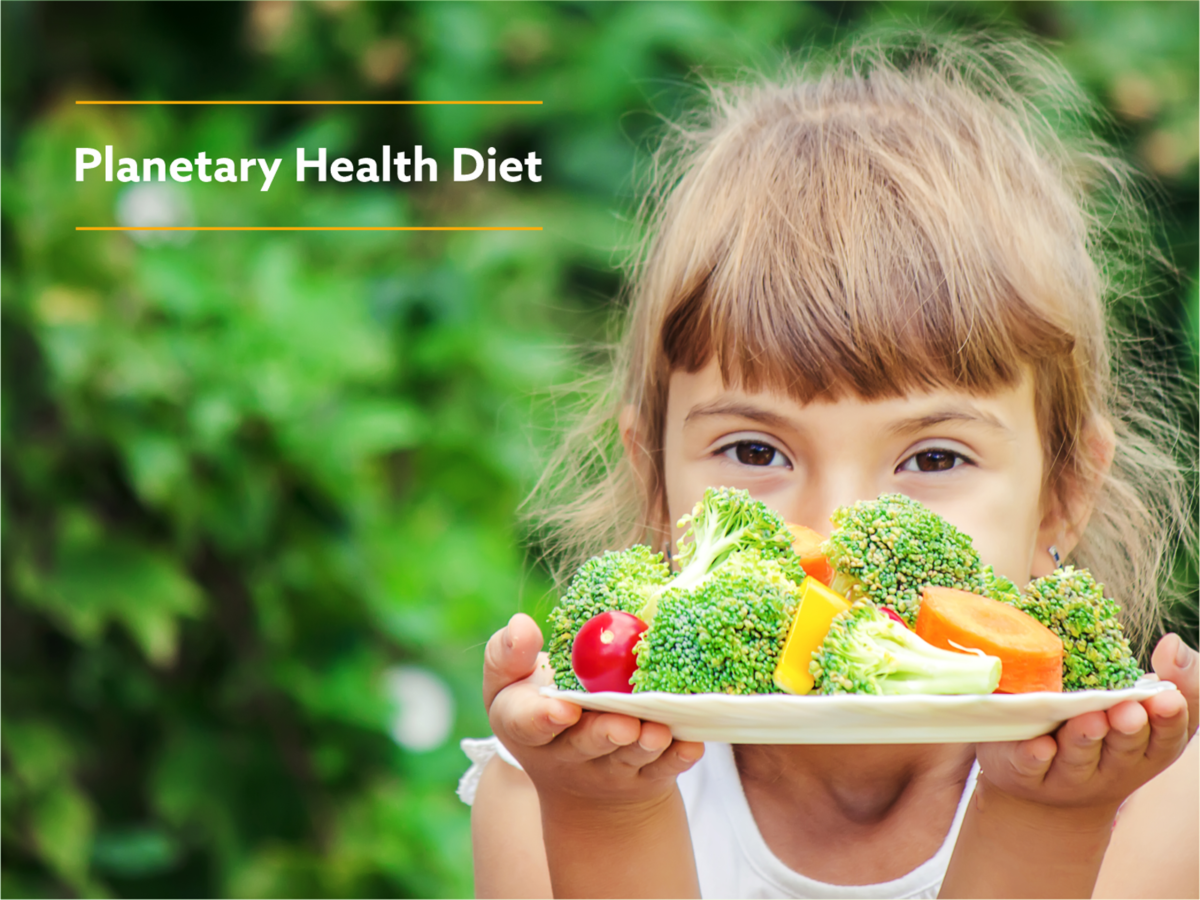
The Planetary Diet, also known as the Planetary Health Diet, is a way of eating that has been proposed to promote health and protect the environment at the same time. Its main principles were developed by scientists from the EAT-Lancet Commission and published in a report in 2019. The planetary diet is a response to the growing challenges of global warming, environmental degradation, loss of biodiversity and the increasing number of diet-related diseases.
Do the assumptions of the planetary diet fit into the guidelines for the nutrition of young children and is it possible to use it in nutrition in the nursery and kindergarten?
The key assumptions of the planetary diet are related to:
1. Reducing the consumption of meat and animal products.
The planetary diet assumes a significant reduction in the consumption of meat, especially red and processed meat and other animal products. In addition to the high rate of greenhouse gas production, a diet rich in meat and especially its products (cold cuts, sausages, frankfurters) contributes to the excess intake of saturated fatty acids. Instead, the consumption of plant-based protein sources such as legumes, nuts, and seeds is promoted. In the diet of children, it is worth using the method of small steps, i.e. gradually increasing lentils and chickpeas in dishes to reduce the addition of meat.
Offer vegetable spreads and egg spreads from free-range eggs or plant-based drinks as an addition to breakfast. Despite the requirements contained in the Regulation of the Minister of Health of 26 July 2016, it is possible to arrange the decade menu in such a way as to cover the demand for protein while not exceeding the standards for saturated fatty acids.
2. Increasing the intake of vegetables, fruits, nuts and seeds.
In the planetary diet, vegetables, fruits, nuts and seeds are the basis. These foods are rich in essential nutrients, vitamins, and minerals that are crucial for children’s health. Their production is also less burdensome for the environment compared to the production of meat and other animal products. Therefore, every meal offered in the facility should include a vegetable or fruit – focusing on seasonality and using local producers.
3. Including wholegrain cereal products in the diet.
Whole grains such as wholemeal bread and pasta, porridge or quinoa are recommended as a sic source of energy. They are rich in fiber, B vitamins and minerals. In the facility, as part of each basic meal (breakfast, dinner), children receive a variety of products from this group. It is particularly important to maintain variety and strive for an increased share of wholemeal products.
4. Limiting the consumption of sugar and processed foods.
The planetary diet emphasizes limiting the intake of sugar and highly processed foods, which are high in saturated fats, sugars, and salt.
Eating such foods contributes to the development of obesity, type 2 diabetes, heart disease and other health problems.
Therefore, let’s teach our children from a young age these principles:
- “The shorter the journey from the orchard to the tummy, the better.”
- “We eat vegetables and fruits more often – we don’t drink them.”
- “Water tastes best from my own bottle or cup rather than from yet another plastic bottle.”
Sugar in meals prepared as part of collective catering is limited to an absolute minimum, and salt does not exceed the recommended standards
In the environmental context, the planetary diet plays a key role in reducing the environmental impact of food production.
The meat industry is responsible for a large part of greenhouse gas emissions, deforestation, and water and land consumption. Reducing the consumption of meat and animal products can significantly reduce greenhouse gas emissions, reduce pressure on water resources and land, and reduce the degradation of ecosystems.
However, the introduction of a planetary diet comes with some challenges. Changing eating habits is difficult and requires time and education. It is crucial to teach children about the health and environmental benefits of the planetary diet from an early age. Education about healthy eating and sustainable agriculture should be part of educational programs from an early age.
Let’s meet!
We invite all of you to an individual meeting with the headteacher. This will be a great opportunity to find out about our educational offer, ask questions, and visit the kindergarten. You can book one visit for a given day.