Strong and Healthy Bones from the Earliest Years of a Child’s Life

A child’s bones do much more than simply support the body. They are dynamic, living tissue that develops intensively, becomes stronger, and stores minerals essential for life. In the first years of life—especially during the nursery and preschool period—a significant part of future bone mass is formed, which in adulthood determines bone density and strength. This is also when the process of building so-called peak bone mass begins, which has a major impact on bone health later in life.
For a child’s bone development to proceed properly, the body needs the right nutrients. Particularly important are calcium, vitamin D, as well as other vitamins and minerals that support the bone-building process and bone mineralization. From early childhood, a properly balanced diet helps build strong bones, supports skeletal development, and affects bone mineral density.
What a child eats and drinks between the ages of one and six has a huge impact on their future health. A proper diet and adequate hydration support the child’s skeletal system, strengthen muscles and teeth, and also help prevent problems such as weakened bones, posture defects, and even the future risk of conditions such as osteoporosis.
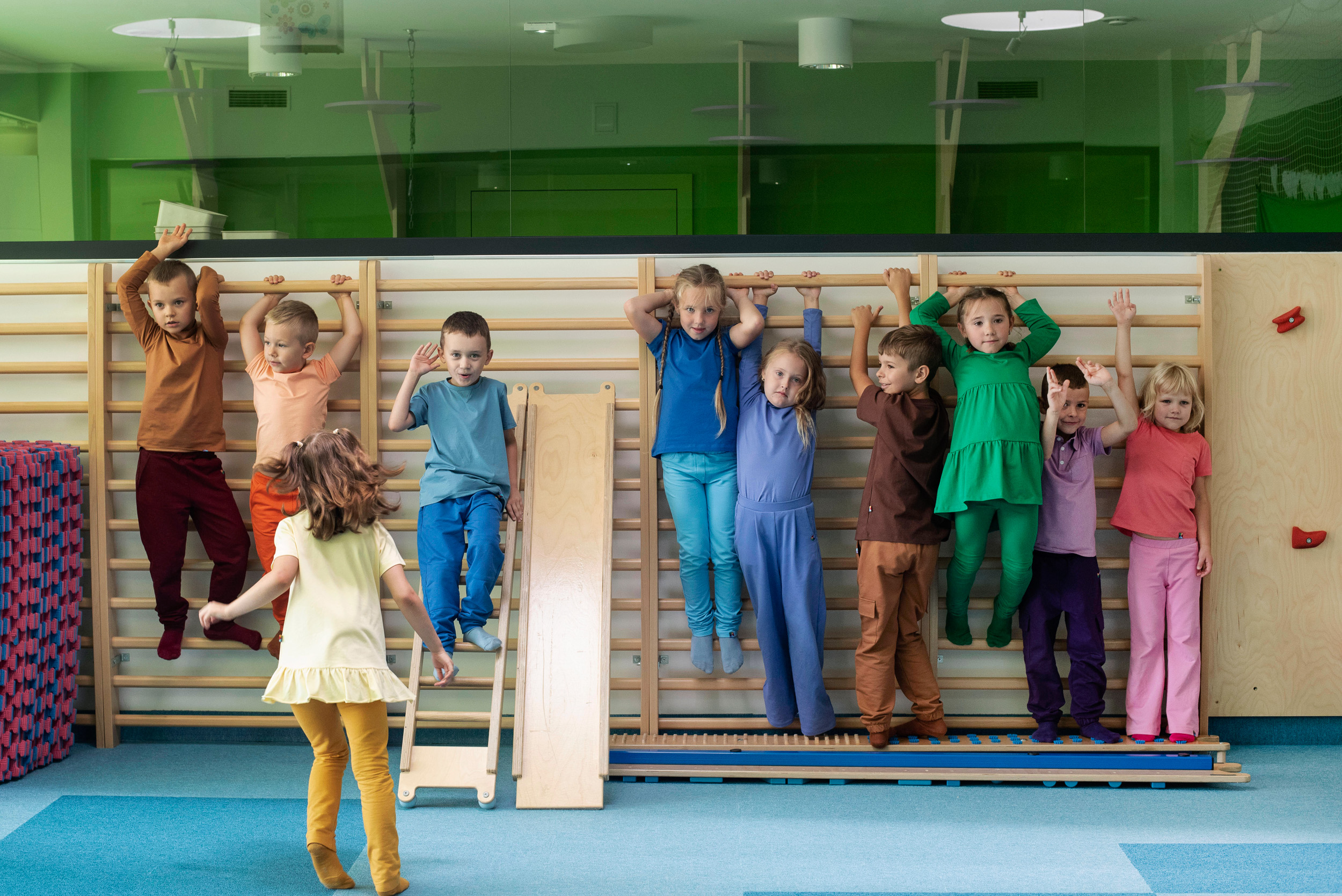
Water – the first step in building strong bones
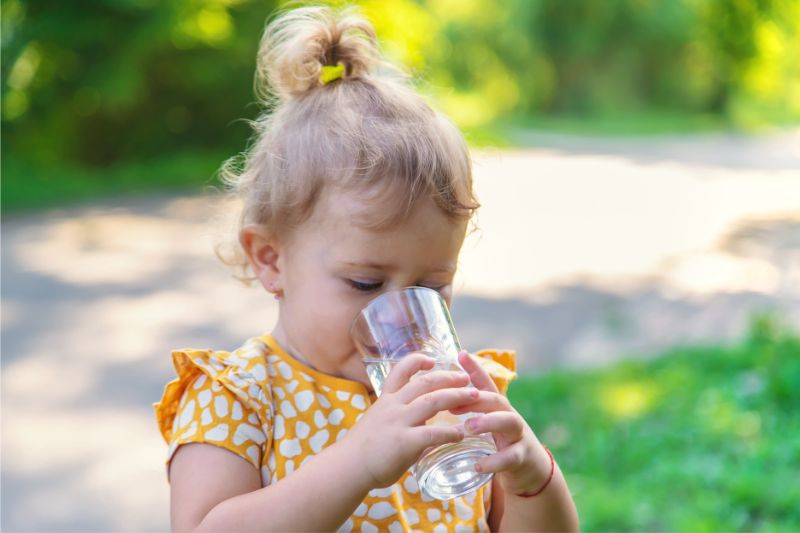
Although we do not often associate it directly with the skeletal system, water is one of the most important elements supporting a child’s healthy development. A young child’s body is made up of as much as 70–75% water, so the right amount is essential for the proper functioning of all cells—including those responsible for bone development.
Drinking water regularly:
- supports the transport of minerals such as calcium and magnesium to tissues,
- improves calcium absorption and the absorption of other nutrients,
- helps remove metabolic waste products,
- regulates body temperature.
Children begin learning the habit of drinking water from a very early age. At first, parents and caregivers remind them to drink regularly; later, children reinforce this habit in the nursery or preschool, where water should always be available. Over time, drinking water becomes a natural part of the daily routine.
How much water does a child need?
Fluid requirements depend on the child’s age and activity level.
- children aged 1–3 years – about 1.3 liters of fluids per day,
- children aged 4–6 years – about 1.6 liters per day.
This amount includes not only beverages, but also fluids found in soups, fruits, and vegetables. Still, plain water should be the main drink supporting bone health.
Have any questions?
Choose your preferred method of contact — we’ll get back to you!
What kind of water is best for children?
Store shelves offer many types of water that differ in mineral content.
- Spring water
It has low mineralization (below 500 mg/l) and is suitable for daily drinking, especially for the youngest children. - Low-mineral water
It contains 500 to 1500 mg of minerals per liter and may gently support bone mineralization. - Medium-mineral water
A mineral content of 1500–4000 mg/l makes it a good choice for older preschoolers, especially those with an active lifestyle.
Interestingly, some natural mineral waters contain a high amount of calcium—even 200–300 mg per liter. As a result, one glass can cover up to about 20% of the daily calcium requirement, which supports building strong bones and increases bone density.
What should you watch out for when buying water?
Colorful labels with cartoon characters often attract children’s attention. However, products labeled as “fruit water” or “strawberry water” are not always as healthy as they may seem.
It is worth paying attention to a few things:
- the label “no added sugar” does not mean the drink is calorie-free—fruit juices or concentrates are often added,
- the term “fruit water” may refer to a product containing flavorings and sweet additives.
That is why reading labels carefully and making informed choices is so important. More information on how to interpret labels can be found on the website of the National Centre for Nutrition Education.
Calcium – the foundation of healthy bones
Calcium is the basic mineral that builds the structure of bones and teeth. It is also responsible for muscle function, nerve impulse transmission, and the blood clotting process. Maintaining the proper calcium level in a child’s body is essential for proper bone growth and maintaining adequate bone mineral density.
A deficiency of this element in childhood may lead to problems with bone development, muscle weakness, and even growth disorders.
Foods rich in calcium include:
- dairy products – milk, natural yogurt, cheese,
- plant-based drinks fortified with calcium,
- green leafy vegetables – kale, broccoli, parsley,
- sesame seeds, poppy seeds, chia seeds, and tahini,
- almonds and walnuts,
- calcium-rich mineral waters.
For example:
- 200 ml of milk provides about 240 mg of calcium,
- 2 tablespoons of tahini – about 130 mg of calcium,
- a glass of high-calcium water – about 150 mg of calcium,
- 100 g of kale – about 130 mg of calcium.
For calcium absorption to be effective, the diet should also include vitamin D and magnesium.
Vitamin D – the key to bone mineralization
Vitamin D plays an extremely important role in the process of bone mineralization. It is what allows calcium to reach bone tissue and strengthen bone structure.
In Poland, the natural production of this vitamin in the skin is limited, especially from October to April. That is why vitamin D supplementation is very often recommended.
Natural sources of vitamin D include:
- fatty sea fish – salmon, mackerel, sardines, herring,
- egg yolks,
- butter and dairy products,
- some vegetable oils.
The most commonly recommended dose for children is 600–1000 IU per day, but vitamin D supplementation should always be determined with a pediatrician.
Omega-3 fatty acids – support for bones and immunity
Omega-3 fatty acids are primarily known for their beneficial effects on brain and vision development. However, their role in the body is much broader—they also help maintain proper bone metabolism, supporting a child’s bone density and reducing inflammation.
Their main sources include:
- fatty sea fish,
- flaxseed,
- chia seeds,
- rapeseed oil and flaxseed oil,
- walnuts.
Just two portions of fish per week can meet a child’s requirement for these valuable fats.
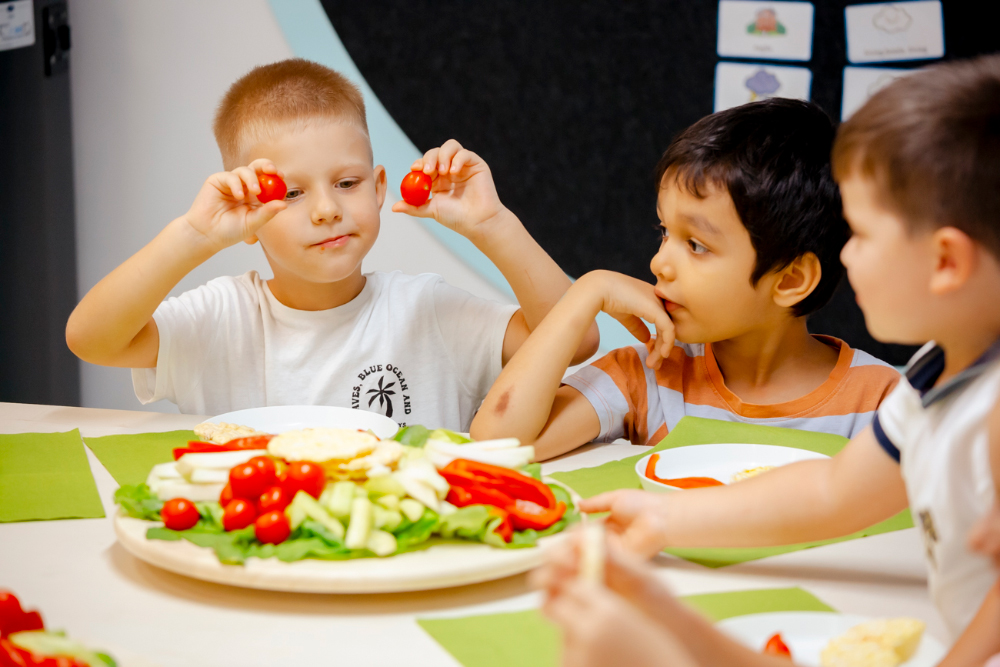
Sample meals that support bone health
Breakfast:
oatmeal prepared with calcium-fortified oat drink, banana, and tahini, with water to drink.
Lunch:
broccoli soup with croutons and olive oil, baked cod with groats, and carrots with peas.
Dinner:
a sandwich with egg and avocado spread, with water to drink.
This combination of foods provides a varied diet that supports proper bone development, improves calcium absorption, and helps increase bone density.
What can parents do today for their child’s healthy bones?
To support a child’s bone development and maintain proper bone mineral density, it is worth remembering a few simple rules:
- Make sure your child always has access to water—in a bottle or cup.
- Choose natural mineral water without flavored additives.
- Ensure a daily portion of vegetables, especially green ones.
- Include fish in the diet at least 1–2 times a week.
- Provide your child with daily outdoor activity—greater physical activity additionally strengthens the child’s skeletal system.
- Use vitamin D supplementation according to your doctor’s recommendations.
Thanks to these habits, we support the building of strong bones, proper bone mineralization, and the healthy development of the child’s whole body. In the future, this may help reduce the risk of decreased bone density, weakened bones, or diseases such as osteoporosis.
In conclusion
In KIDS&Co. preschools and nurseries, as part of our original Good Food program, we focus on helping children get used to making healthy choices. Developing healthy eating habits and supporting a child’s health are our priorities.
Our menu is balanced and tailored to the daily needs of a young body, and everyday meals are composed to provide children with energy for the whole day and restore balance on the level of body and mind.
Dear parent, if you are looking for the right care for your child, our private KIDS&Co. preschools and nurseries offer professional, caring, and fully committed support that fosters your little one’s emotional and intellectual development. Thanks to an individual approach to each child and modern teaching methods, you can be sure your child will be in good hands.
Learn more about the KIDS&Co. kindergarten and nursery program. Our facilities are located in the following cities:
- private preschools and nurseries in Warsaw
- private preschools and nurseries in Wrocław
- private preschools and nurseries in Gdańsk
- private preschool and nursery in Gdynia
- private preschools and nurseries in Łódź
- private preschools and nurseries in Kraków
- private preschools and nurseries in Katowice
- private preschools and nurseries in Poznań
- private preschools and nurseries in Suwałki
- private preschools and nurseries in Ostrów Mazowiecka
Let’s meet!
We invite all of you to an individual meeting with the headteacher. This will be a great opportunity to find out about our educational offer, ask questions, and visit the kindergarten. You can book one visit for a given day.